
 Can you play GTA 6 from an external hard drive on PS5 or Xbox Series X/S?
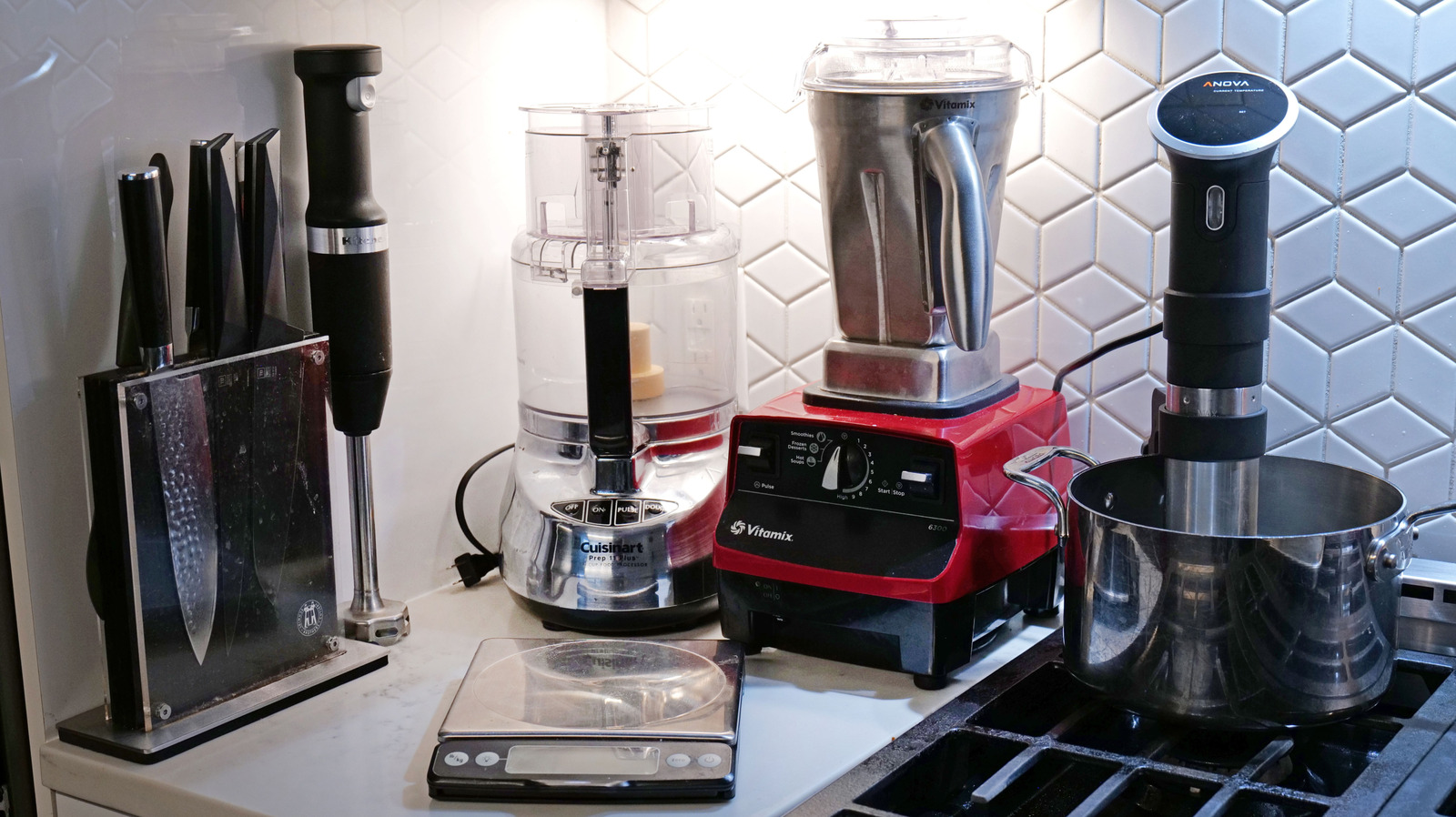 7 gadgets that'll instantly upgrade your Thanksgiving feast
 Capcom's quirky dinosaur-fighting hero shooter is shutting down in 2027
 Trump admin didn't investigate Jensen Huang before pushing Nvidia to bring him back: 'What does that mean, had Huang been investigated? For what?'
 GTA 6 vault: How to open them during big bank jobs
 Deceased BBC football commentator resurrected with AI for EA Sports FC: The family says it's a 'touching tribute' but some fans call it 'gross' and 'bleak'
 State AGs are trying to stop Character.AI from auctioning off users' chat histories
 As the US Treasury suffers a cybersecurity breach, its chief tech guy is vibecoding a Civilization clone
 AI kills another coding competition: 'I was not at all interested in giving awards to the output of large language models'
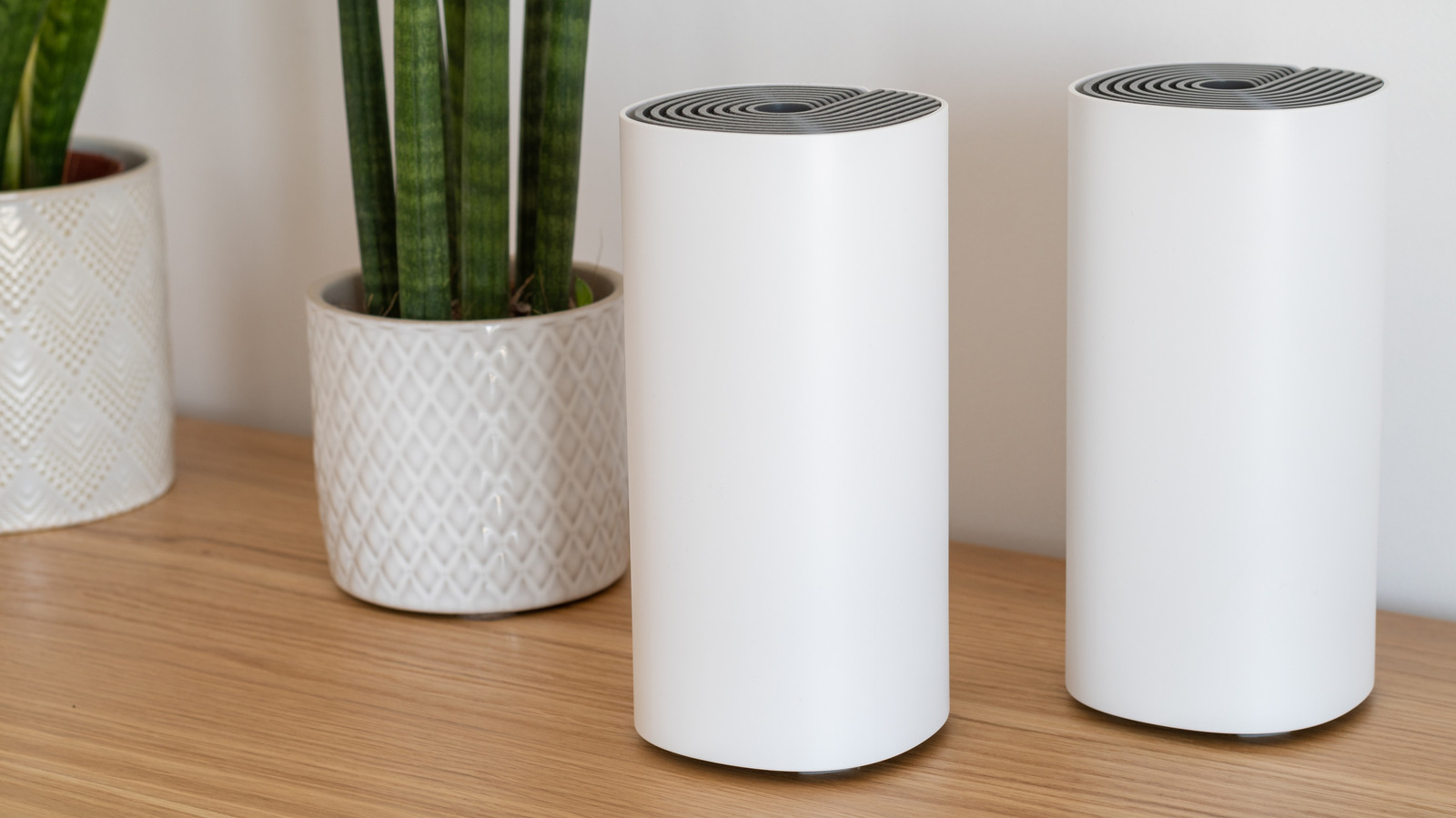
Mesh is the obvious choice if you live in a multi-floor house, or want coverage in your backyard, detached shed or garage. A standalone router can cause smart home conflicts and create slow or dead zones, especially since metal and concrete can block signals. When interference persists, some mesh systems will even let you set up a wired Ethernet backhaul as a workaround.
Most apartments should be thoroughly covered by a standalone router unless you're encountering specific speed or range issues. You're better off saving your money or putting the savings toward a faster router.
There are some borderline cases. For instance, some multi-floor homes are small enough to be covered by a single router. If you want to push the limits, place your router in a relatively central location, and keep it unobscured by anything that might harm signal quality. Think of your router as a radio station — you wouldn't expect to hear the news clearly if the broadcast tower were on the opposite side of a mountain.