 Warhammer Survivors update buffs XP and weapons, nerfs those damn Beasts of Nurgle
 Can you play GTA 6 from an external hard drive on PS5 or Xbox Series X/S?
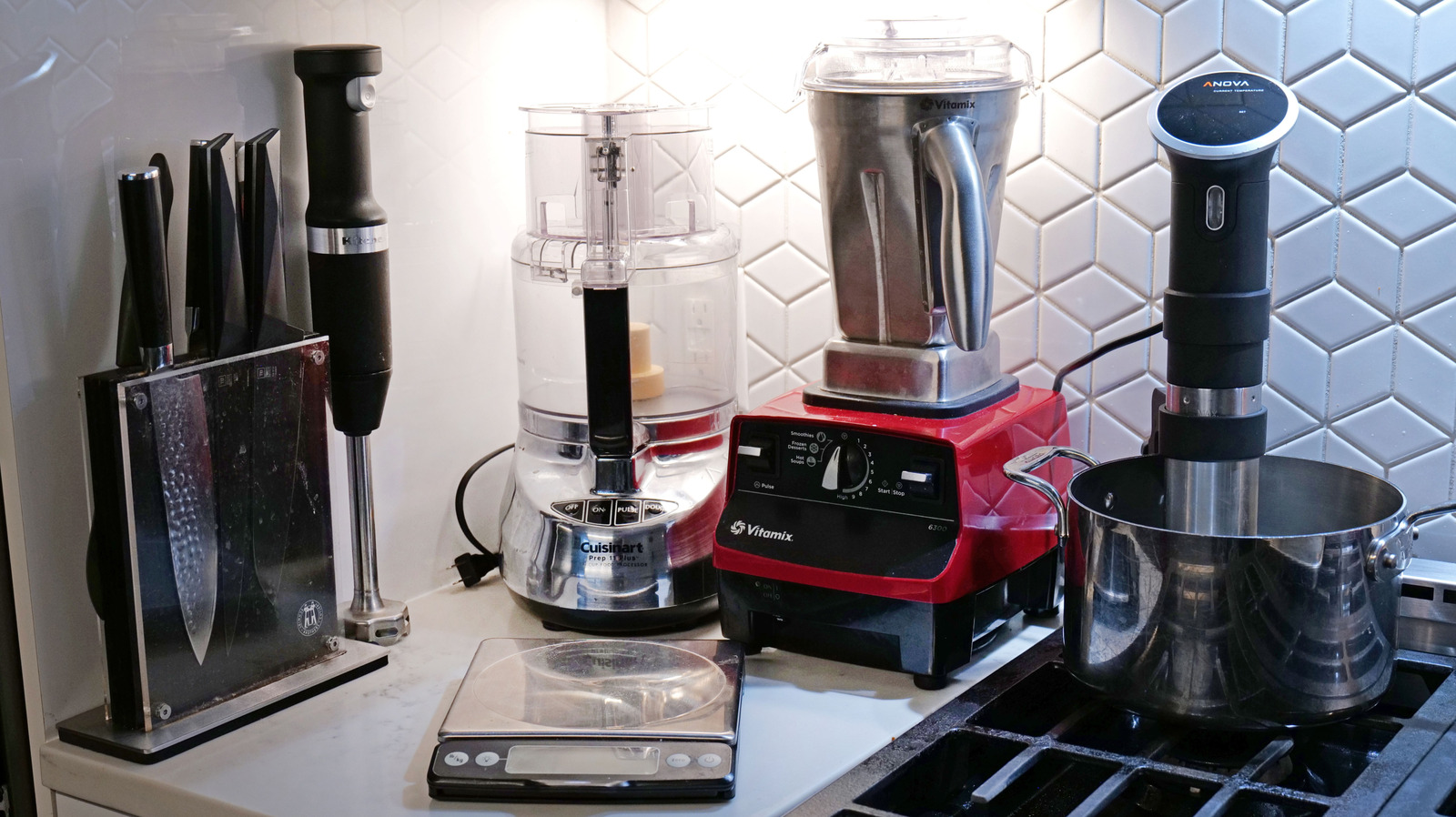 7 gadgets that'll instantly upgrade your Thanksgiving feast
 Capcom's quirky dinosaur-fighting hero shooter is shutting down in 2027
 Trump admin didn't investigate Jensen Huang before pushing Nvidia to bring him back: 'What does that mean, had Huang been investigated? For what?'
 GTA 6 vault: How to open them during big bank jobs
 Deceased BBC football commentator resurrected with AI for EA Sports FC: The family says it's a 'touching tribute' but some fans call it 'gross' and 'bleak'
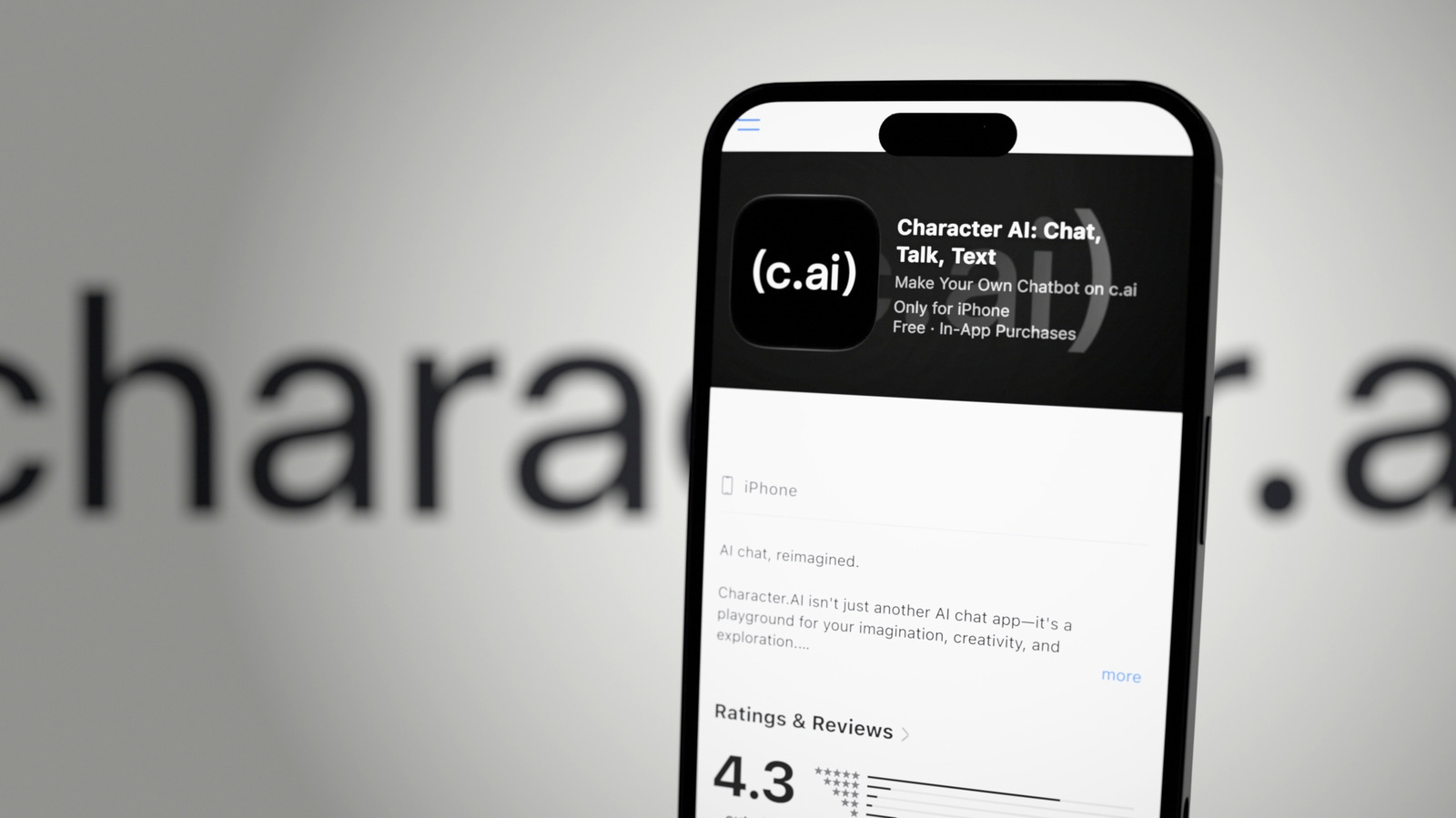 State AGs are trying to stop Character.AI from auctioning off users' chat histories
 As the US Treasury suffers a cybersecurity breach, its chief tech guy is vibecoding a Civilization clone

The premise of an AirTag is simple: attach one to something you don't want to lose and your iPhone will help you find it. Its bigger innovation is how the tracker taps into Apple's existing Find My network, which uses nearby Apple devices to detect an AirTag and anonymously report its approximate location to its owner. An AirTag doesn't need its own cellular connection or GPS to be useful.
Apple describes AirTag as "the bestselling item finder", and continues expanding what it can do. The second-generation AirTag, released in 2026, added a longer Bluetooth range and more precise finding. Apple's Share Item Location feature also lets you securely share an item's location with participating airlines to help recover lost luggage.
The second-generation AirTag's primary usefulness comes from Apple's enormous network of devices, giving it access to a vast web to help locate a lost item.