
 Deceased BBC football commentator resurrected with AI for EA Sports FC: The family says it's a 'touching tribute' but some fans call it 'gross' and 'bleak'
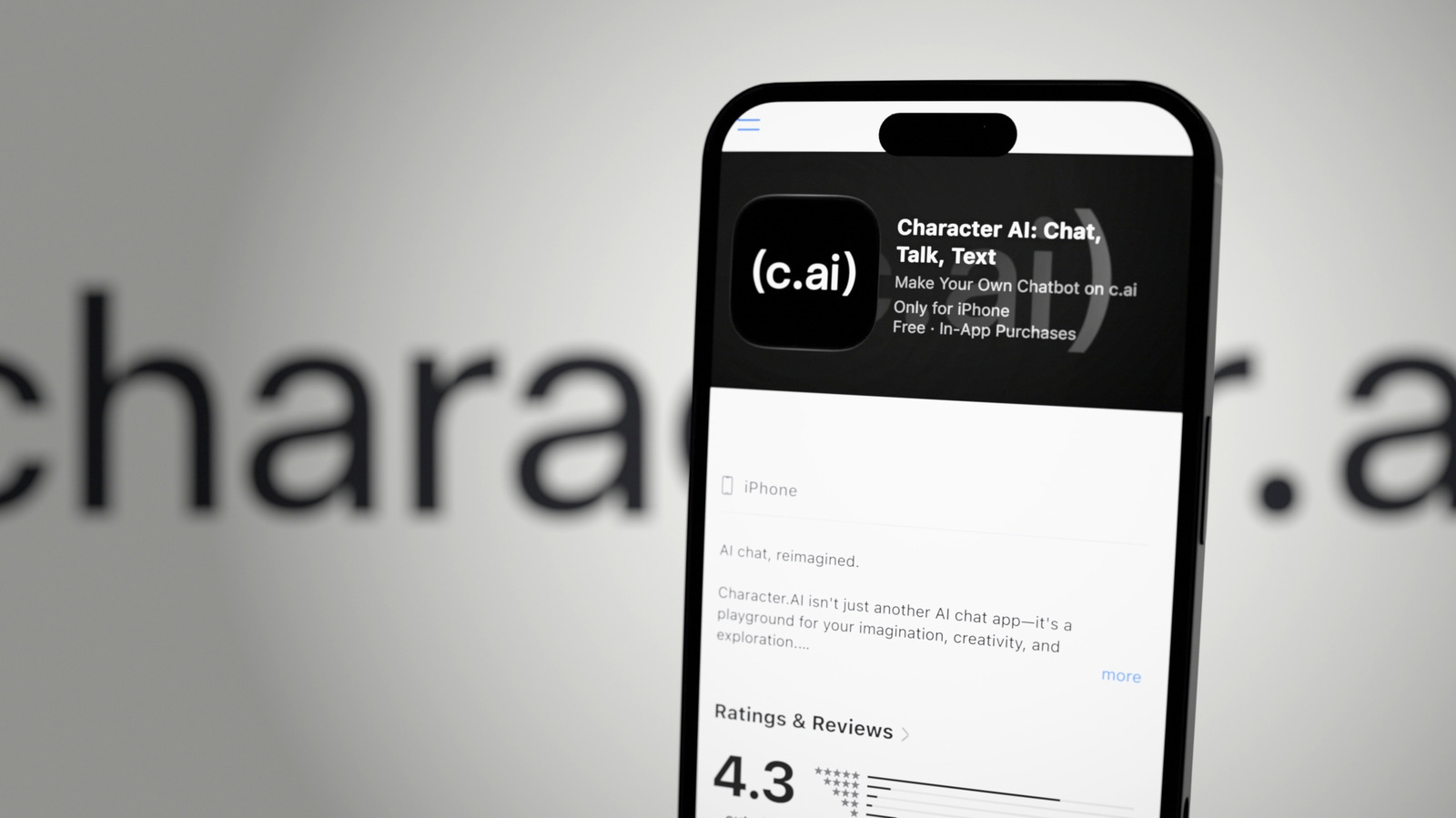 State AGs are trying to stop Character.AI from auctioning off users' chat histories
 As the US Treasury suffers a cybersecurity breach, its chief tech guy is vibecoding a Civilization clone
 AI kills another coding competition: 'I was not at all interested in giving awards to the output of large language models'
 How to steal the Pegassi Infernus in GTA 6
 How to steal an ATM and get a winched vehicle in GTA 6
 Even Max Verstappen has succumbed to GTA 6 fever, squeezing in 40 hours around his Las Vegas Grand Prix win
 Five solar generators going for deep discounts on Black Friday
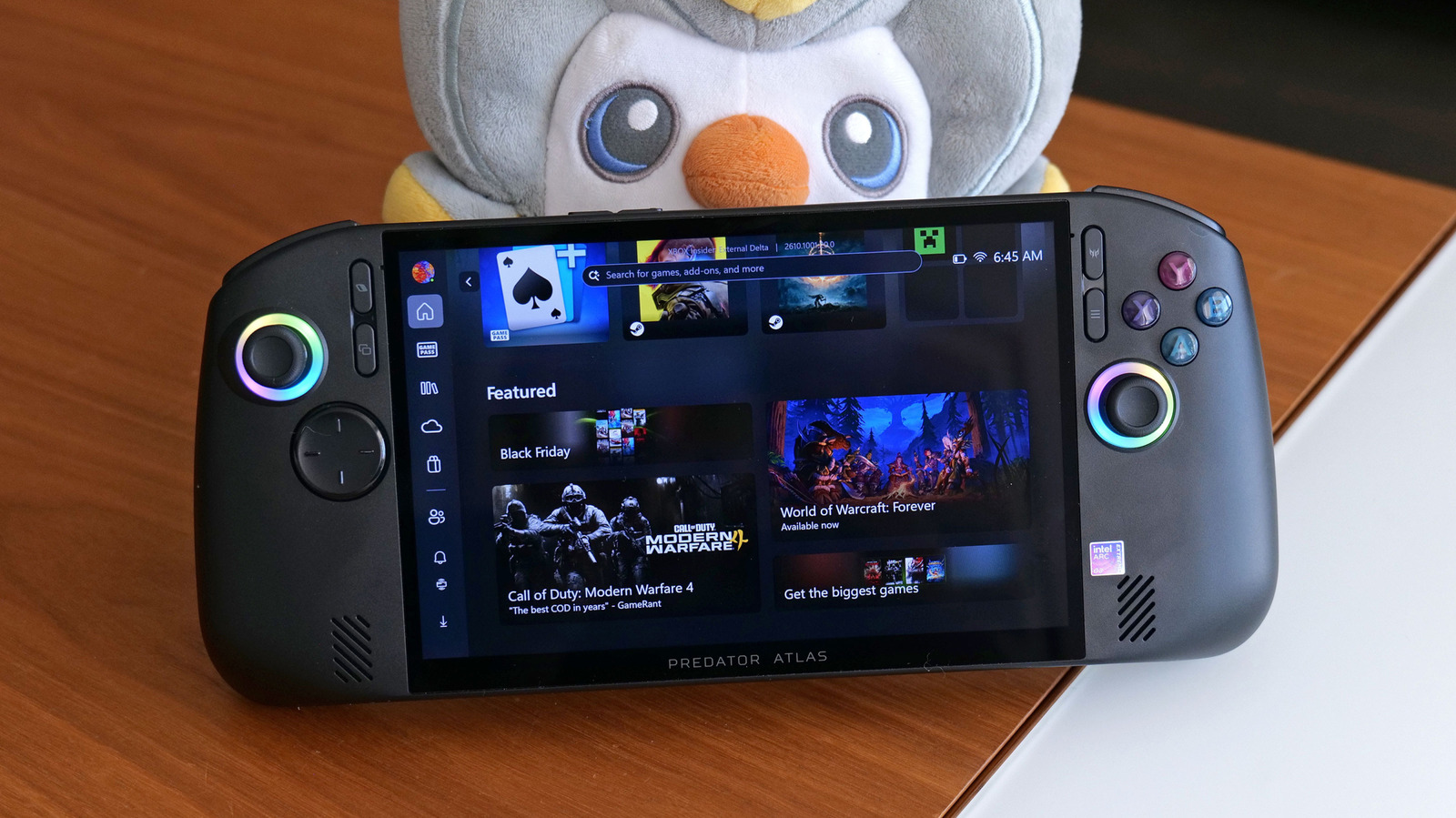 Acer Predator Atlas 8 review: Potent performance at a slightly better price
On the other end of it all, cryptocurrency wallets are a separate entity, and there are two that traders should be familiar with: hot and cold. Although blockchain networks manage the ledger where your Bitcoin or Ethereum live, these two options determine how you store and access the keys that unlock those funds.
Starting with hot wallets, these are typically accessed through your phone or computer, allowing you to exchange, trade or transfer crypto. Since they're connected to the internet, hot wallets are a gift and a curse for some. They can offer instant and seamless transactions, but their internet dependency makes them far more susceptible to online attacks.
If security is your biggest fear, cold wallets come into play. These don't depend on an internet connection and can easily be utilized via a USB drive or smart card. This format keeps all your private keys offline for enhanced security, but you can only access them when you pair them with an online device.
In short, hot wallets are ideal when the main focus is speedy transfers and transactions, and cold wallets are best for protecting your cryptocurrency at the cost of immediate convenience.